
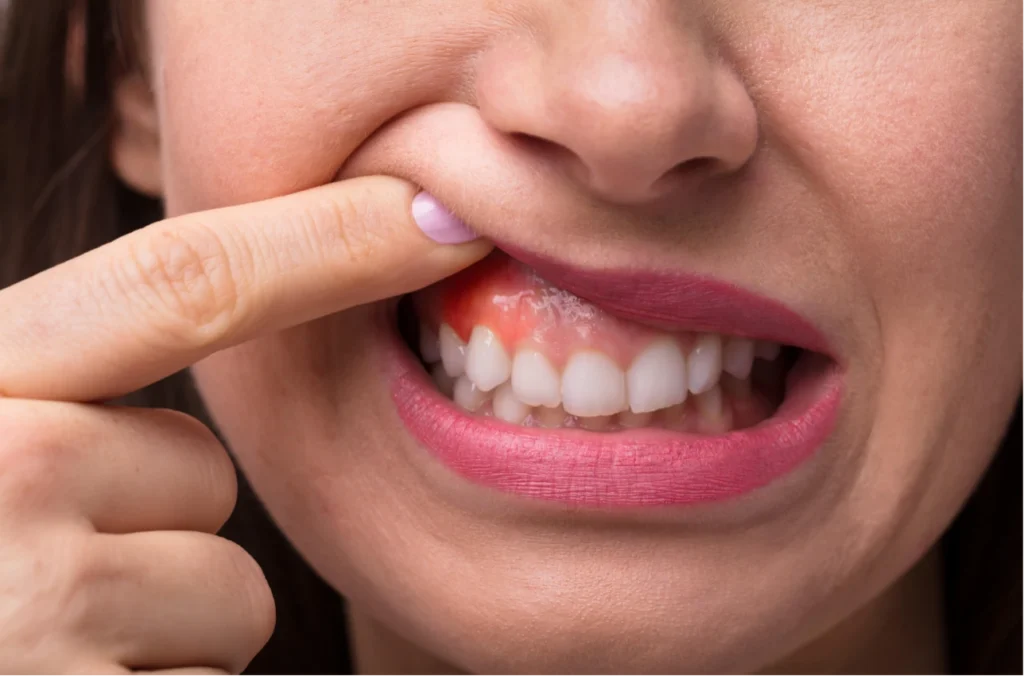
Most gum disease plans begin with the least invasive option available. Nonsurgical gum disease treatment, mainly scaling and root planing, can calm gum inflammation and reduce periodontal pocket depth, often before gum surgery needs to be considered.
The treatment removes plaque and tartar from below the gumline and smooths the root surfaces so the gums can heal and tighten around the teeth. A dental evaluation shows how deep the pockets are and whether this approach is a sensible starting point.
How Nonsurgical Gum Disease Treatment Is Tried Before Surgery
Nonsurgical care is commonly the first step because it treats the cause of the inflammation, which is the bacterial buildup along and below the gumline. Some patients respond well enough that surgery is not needed.
It can be delivered in one or more visits, depending on how much of the mouth is affected and how the patient prefers to schedule care.
How Scaling and Root Planing Cleans Below the Gumline
Scaling removes plaque and hardened tartar from the tooth surfaces and from the pockets between the teeth and gums. Special instruments reach areas that a toothbrush and floss cannot.
Root planing then smooths the exposed root surfaces, which makes it harder for bacteria to cling and gives the gum a clean surface to heal against. Hand tools, ultrasonic instruments or both may be used.
Why Deep Cleaning Can Reduce Periodontal Pockets
Pockets deepen when inflamed gums pull away from the teeth. Once the buildup that causes the inflammation is removed, the gums can calm down and tighten, and pockets often become shallower.
A systematic review of subgingival instrumentation found that cleaning below the gumline was effective in the nonsurgical treatment of periodontitis, reducing both pocket depth and bleeding.
Benefits of Nonsurgical Gum Disease Treatment Before Surgery
Starting without surgery means no incisions, and recovery is usually straightforward. Patients can often return to normal routines soon after a visit.
Calmer, healthier gums also support oral health overall and make any later treatment easier to plan. Surgery remains an option when it is the right fit.
Which Home Care Habits Support Periodontal Results
Daily habits help the gums stay healthy after professional cleaning.
- Brush twice a day with a soft brush and fluoride toothpaste
- Clean between the teeth daily with floss or small brushes
- Use any rinse the dentist recommends
- Avoid tobacco, which slows gum healing
These habits work alongside regular visits, since both are needed to keep pockets from deepening again.
Who Can Start With Nonsurgical Gum Treatment
Candidates are usually patients with gum inflammation, bleeding or periodontal pockets that have not yet damaged too much of the supporting bone. A dental evaluation with x-rays and gum measurements confirms where the gums stand.
Patients with health conditions such as diabetes, or those who smoke, should mention them, because these factors affect how gums heal and how the plan is set up.
When Gum Surgery May Still Be Part of the Plan
Some pockets stay deep even after careful cleaning, particularly where bone has been lost or the shape of the tooth makes the area hard to clean.
In those cases the dentist may discuss procedures such as pocket reduction or bone grafts. Having tried nonsurgical care first gives a clear picture of what is still needed.
Gum Care at Spring Dental
At Spring Dental in Altamonte Springs, FL, nonsurgical gum disease treatment is listed among the services provided by Dr. Diane Tran and the team. Digital x-rays, ultrasonic teeth cleaners and bone grafts are also part of the technology and services the office lists.
Patients from Altamonte Springs, Longwood, Orlando and Apopka are welcome to ask whether deep cleaning could help their gums, and the team explains each stage of the plan, from the first evaluation to the follow-up visits.
Gum Treatment Questions in Altamonte Springs, FL
Treating gum disease early can keep the plan simple and the options open. Spring Dental welcomes questions about deep cleaning and gum health from patients in Altamonte Springs, Longwood, Orlando and Apopka.
Frequently Asked Questions
How is healing monitored after treatment?
A follow-up visit measures the depth of the pockets again and checks whether bleeding has decreased. These readings show how the gums have responded and whether the plan needs adjusting.
How often may periodontal maintenance be needed?
Many patients return every three to four months after treatment, though the interval is set according to how the gums respond. Stable gums may move to a longer interval over time.
Does scaling and root planing hurt?
The area is usually numbed, so most patients feel pressure rather than pain during the visit. Gums can be tender for a few days afterward, and the dentist explains how to keep them comfortable.
Is deep cleaning different from a regular cleaning?
Yes. A regular cleaning keeps healthy gums clean, while deep cleaning is a treatment for gums that already show inflammation or pockets. The dentist recommends which one suits the patient.